+30 210 9210734

Ένα πρόγραμμα Αγγλικών ειδικά σχεδιασμένο για τους επαγγελματίες του Φαρμακευτικού κλάδου, με σκοπό να αποκτήσουν τις γλωσσικές δεξιότητες και το λεξιλόγιο που απαιτείται ώστε να μπορoύν να επικοινωνούν σωστά και με άνεση στο επιχειρησιακό περιβάλλον.
Διάρκεια: 18 ώρες
Θεματολογία
- Medical Research & Development
- Quality Control and Auditing
- Phases of Trial
- Drug Safety & Regulatory Requirements
- Drug manufacture & Safety Requirements
- Laboratory Safety
- Standard Operating Procedures
- Drug Packaging
- Talking about implications
- Reporting severe adverse events
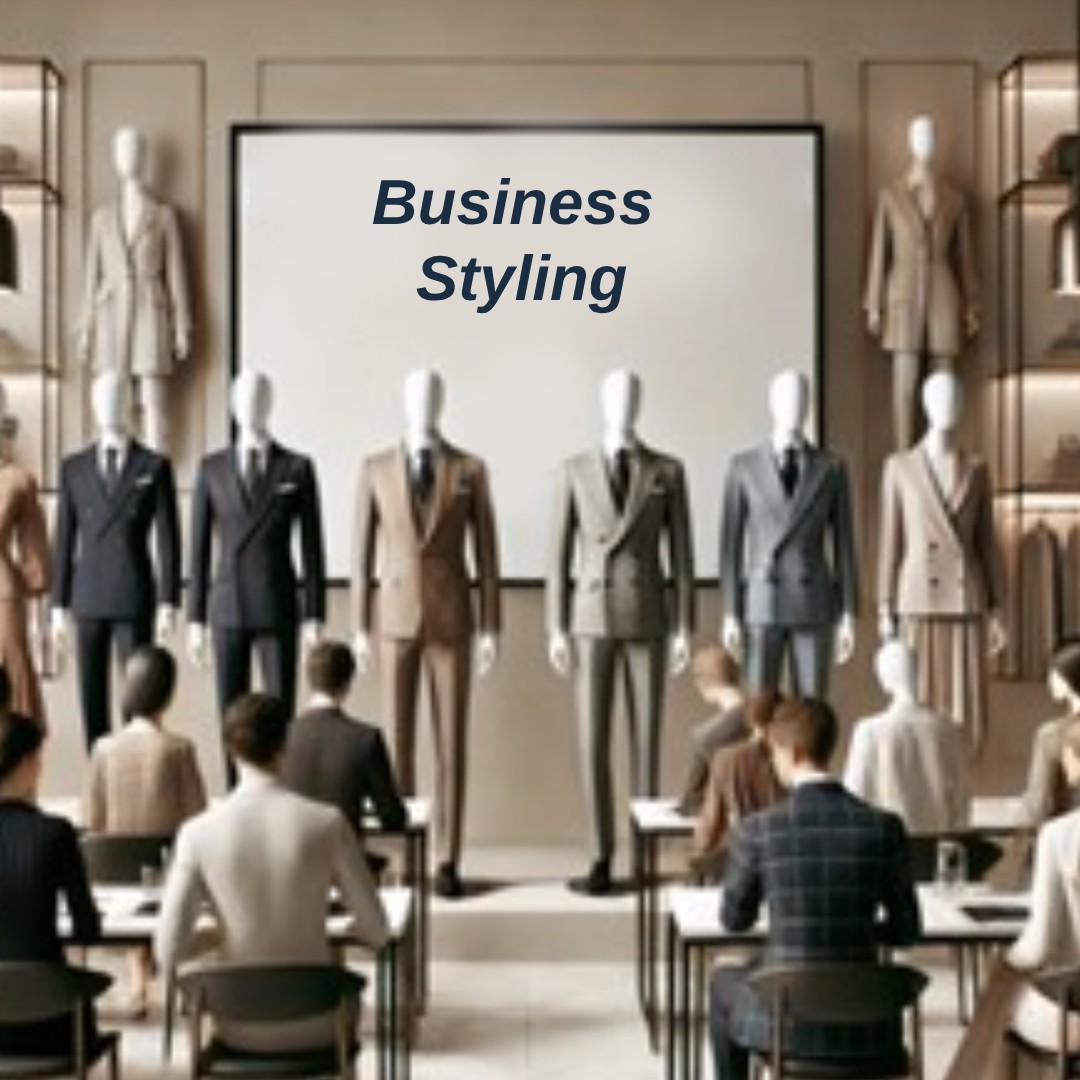
Η εικόνα που προβάλλουμε μέσα από το ντύσιμό μας, τόσο σε προσωπικό επίπεδο όσο και σε επαγγελματικό, λέει πολλά για εμάς. Το στυλ και ο τρόπος που ντυνόμαστε είναι μέρος της ταυτότητάς μας.
Η ένδυσή μας μπορεί να επηρεάσει την αυτοπεποίθησή μας, την αυτοεκτίμησή μας κι ακόμη και το πώς μας βλέπουν οι συνάδελφοι και οι συνεργάτες μας. Πολλές φορές, τα ρούχα που επιλέγουμε, ενισχύουν και αναδεικνύουν το επίπεδο του επαγγελματισμού μας και της σοβαρότητας με την οποία αντιμετωπίζουμε τη δουλειά μας.
Σε αυτό το σεμινάριο θα μιλήσουμε για το πως μπορούμε να αναπτύξουμε μια ακόμη σημαντική δεξιότητα, αυτή του προσωπικού μας στυλ με απώτερο στόχο να απογειώσουμε την καριέρα μας και να πετύχουμε τα επαγγελματικά μας όνειρα!
Ενότητες:
1. Η Σημασία της Επαγγελματικής Εμφάνισης
3. Βασικές Αρχές Styling
2. Καθορισμός Στυλ Σύμφωνα με τον Επαγγελματικό Ρόλο & την περίσταση
4. Οργανωμένη Γκαρνταρόμπα
5. Ο σημαντικός ρόλος των Αξεσουάρ
6. Διαχείριση Επαγγελματικού Look Εντός και Εκτός Γραφείου
7. Συζήτηση - Συμβουλές
Διάρκεια:
8 ώρες
Τόπος Διεξαγωγής:
Φίλωνος 111, Πειραιάς
Are you happy with your career path? Where do you want to be in five years?
Career Planning is an on-going process. Every worker should benefit from career planning processes such as self-assessment, exploring career opportunities in organizations, and learning assertive job changes strategies that produce results.
Approach
This training program will provide a rare opportunity to consider career options. It is a break from the autopilot, which allows investigating what your company has to offer in relation to personal abilities and desires. In this course we expand our personal and professional horizons. We examine and analyze our strengths and personal challenges. We learn about ourselves, explore career opportunities, and turn that useful information into a work plan that will take us to the next step in our career. During this course, you will learn how to take responsible ownership of your career direction and what the right tactics are to get there.
Topics
Acquiring knowledge of how to manage career and professional development
Take ownership of career direction
Identify personal strengths, development areas and personal preferences
Identify personal performances, drives and motivators
Create individual high-level professional vision
Acquire various skills, tools and techniques to enhance effective career choices for the future
Use a number of techniques to explore career opportunities
Create a viable action plan to achieve career objectives
Training Objectives
At the end of this training you will be able to:
4.Take responsible ownership of their career path.
Duration
One Day
Program Schedule
Day One
Introduction & Welcome
Program Objectives
Personal Objectives
Building Personal and Professional Profile
Holland Occupational Themes for Self-Assessment
SPWD Model
Maslow’s Pyramid of Needs
Career And Organization Exploration
Networking Methodology
Exploring Career Options Through Networking Methodology
Gap Analyzis
Analyzing Gaps
Career Path and Personal Attitude Towards Changes
Taking Actions
Work Values
"5 Years From Now"
Building a Career Plan
Putting It All Together
Building Personal and Professional Profile
Personal Action Planning
Reflection, Discussion & Action
Coaching has become inextricably linked to success in today’s business world. The term coaching is part of the corporate language and used as frequently as profit, sales figures or productivity improvement in managerial, entrepreneurial, training and human resource meetings. This course defines coaching as part of a tool kit for successful managing to optimize results.
People were already being coached at the start of the Common Era. The word coaching in today’s work environment still encompasses the act of true partnership and mutual responsibility. Coaching can be a performance tool building on technical and expert knowledge. On the other hand it can be an empathetic instrument, in which team knowledge and communication play a major part.
Coaching in this course is a management tool that is frequently used in organizations, aimed at making optimum use of everybody’s qualities and talents in such a way, that knowledge and skills are further developed and broadened. Good coaching is an art, a major part of which is aimed at giving individuals a greater insight into choices made that impact success. There is always a correlation between coaching and practical business processes that encourage a person or team to learn. Coaching, implemented at an organisational level, can deliver great results and drive significant financial impact to the bottom line. Today's value-based organizations use coaching to build alignment, to develop their current and future leaders and managers, and to ensure the success of corporate training programs. Coaching is about action and results! Coaching helps individuals/teams to embrace new concepts, to cross the bridge from 'learning" to "doing," and to support personal and organizational success. Coaching gives the boost needed to get from where you are to where you need to be.
Approach
This course does not attempt to make managers or leaders or supervisors into coaches. The aim of the training is to focus on coaching skills as part of the leader’s tool kit in order for them to be aware of the change required in their own behavior and leadership styles in order to build their coaching capabilities. Participants will go back to their workplace and be able to implement new skills in practical situations with new knowledge gained from real workplace scenarios. The course enables each participant through active learning to experience how coaching skills make them more effective within their daily workplace challenges.
Topics
What is coaching?
Who is a coach?
Behavior of a successful coach
Skills of a successful coach
Coaching on behavior
Coaching on career and personal life stages
Coaching on competencies
The DOOR coaching model
Conducting a coaching conversation
Giving positive feedback
Coaching a team
Obstacles and bottlenecks when coaching
Training Objectives
At the end of this training you will be able to:
10.Communicate more effectively
Duration
Two Days
Program Schedule
Day One
Introduction & Welcome
Program Objectives
Personal Objectives
Leading Change
The DOOR Coaching Model
What is Your Ambition?
What Can I Learn?
Recognising and Responding to Behaviour
Tips for the Coach
Personal 5x4 Improvement Plan
Personal Action Planning
Day Two
Welcome Back
1-Minute DOOR Coaching Model
Classical Management versus Coaching Management
Role-Play
The Coaching Conversation
Structure of a Coaching Conversation
Personal Action Planning
How would you rate your ability to communicate?
Would you like to improve?
How will you know when you have achieved what you wish for?
Our Approach
The way you interact with others can be the key to your workplace success. Communicating under pressure, managing challenging relationships or looking to build lasting rapport, your style and interpersonal skill can make or break your chances of being effective. In this Program you learn how to capitalise on your existing skills, fine-tune your approach and build a strategies for communication with real impact. Everything we do is participative and interactive. There will be work in pairs, small group work, processes and exercises designed to stimulate, challenge and develop your knowledge and skills. There is even some fun!
Topics
Communication Challenges
Murder Mystery Exercise
Four Styles of Communication
Missile Launcher Exercise
You & Your Team
Team Roles
Training Objectives
At the end of this course you will be able to:
5.Develop more effective team-working, which means helping you, your colleagues and your customers
Duration
One Day
Program Schedule
Day One
Welcome & Introduction
Program Objectives
Personal Objectives
Communication Challenges
Murder Mystery Exercise
Four Styles of Communication
Four Constructs in Communication
Passive – Assertive – Aggressive
Assertive Behaviour
The Missile Launcher
You & Your Team
Team Evolution
GHO Model
Analysing Your Team
Team Roles
Belbin’s Team Roles
Analysing Your Team
Action Planning
Summary & Close
Reflection, Discussion & Review
Υποκατηγορίες
Ενδιαφέρεστε;

Ολοκληρωμένος κατάλογος σεμιναρίων

Έχετε κάποια απορία;

Καλέστε μας στο
+30 210 9210734