+30 210 9210734
This program addresses the importance of being emotionally intelligent in order to recognize how often your emotional reactions derail your results. Being able to recognize your emotions and the emotional reactions of others and know how to manage those reactions are key to creating respect, building relationships, and achieving results.
You will learn how to recognize emotional reactions and how to manage those reactions that will greatly enhance your professional and personal effectiveness.
The importance of Emotional Intelligence (EQ) has been identified as a key component to anyone who works with, supervises, or leads others. For example, EQ accounts for 58% performance in all types of jobs. Those individuals with high EQ navigate social complexities at work, lead and motivate others more effectively, and advance more quickly in their careers. Those who develop their EQ also are healthier, live longer, and age more slowly. The benefits of EQ are not something to take lightly.
Does Emotion Derail Your Results?
Becoming more aware of when and how your own emotions may get the best of you will help you understand what you need to do to become more emotionally intelligent.
Perhaps you can relate to the following situations:
- Blowing up at certain people who just can’t seem to do things right.
- Being stressed out because of impending deadlines and commitments that no one takes seriously.
- Becoming “hot” or overly emotional without knowing why.
- Knowing how to defuse the defensiveness of those who always become emotional.
- Controlling how you speak to others when they don’t agree with you.
- Being respectful when talking to people who are disrespectful to you.
- Avoiding dealing with certain people who always take things personally and become irritating to work with.
- Pushing too hard for the acceptance and approval of your ideas.
- Dealing with those who are not like you.
- Helping those who become emotional to get past their feelings to identify what they really want.
These situations and many others impact how well we work and achieve our personal and organizational goals.
REAL EQ—
The Emotional Intelligence Course
Your ability to be or develop your emotional intelligence is critical your effectiveness whether you are a leader, manager, or individual contributor. You can ill-afford for your negative or “hot” emotional reactions to get the best of you and derail your success.
This course will help you increase your personal awareness of your EQ and the thinking and assumptions behind your emotional reactions. You will learn a number of strategies for managing your emotions that will increase your capacity as a leader and manager of people.
You will also learn to recognize the emotional reactions of others and know how to defuse others’ negative reactions while identifying their needs and values.
Key Course Objectives
You can expect this course to increase your personal awareness of your emotional intelligence as well as that of others. You will learn how to more effectively manage the personal and interpersonal components of emotional intelligence by learning to:
- Assess the current level of your emotional intelligence
- Learn how our thinking process create our emotions
- Identify the assumptions or “mental models” behind your emotions
- Understand the physiology of emotional reaction
- Identify how the perception of violated values create negative emotional reaction
- Surface the violated personal values underneath our emotions
- Learn to assess the accuracy of your thinking and the feelings that accompany your thoughts
- Identify the mindsets that most frequently impact behavior
- Distinguish between the observations and interpretations that form the basis of our thinking
- Learn how to shift your negative emotional reactions to more helpful emotions
- Manage your movements to change how you think and feel
- Use words to change your feelings
- Identify the behaviors that signal the presence of “undiscussables”
- Defuse defensiveness in yourself and others
- Identify the “resistance signals” people display that foreshadow and impending emotional reaction
- Create an action plan for improving and developing your emotional intelligence
Learning Process
This course is comprised of theory, the application of specific skills, a self-assessment, video observation, student interaction, and individualized action planning to help participants internalize and apply their learning back on the job.
Who Should Attend?
Anyone who wants or needs to improve their emotional intelligence. Those in position of leadership or management should benefit greatly because of the necessity of interacting, communicating, and working with a variety of different individuals who themselves may be challenged to manage their emotions effectively.
Course Length
This is a one-day course. The course could be customized into a half-day format with the exclusion of a number of different skills and activities depending on the desire of the client.
The rapid changes that are taking place in the world have a direct impact on the manner in which organizations are managed. Managers are required to cope with a variety of changes – personal, professional and organizational. This training program is devised to help managers understand the mental and emotional impact of change on themselves and on others. This is an interactive and highly experiential workshop that focuses on building personal and team capabilities for dealing with change. Managers will learn strategies for managing self and others through change processes. These techniques will equip people with the skills to successfully manage people through the emotional aspects of organizational change.
Approach
This training course attempts to imitate real-life situations as closely as possible. It presents a practical approach to training and therefore includes leading theories, case studies, simulations, self-study activities, self-assessments and many experiential group activities.
Topics
Building managers’ capabilities in handling the emotional aspects of change management
Expanding managers’ knowledge of the impact change has on people
Exploring personal patterns and beliefs in regard to change
Helping managers foresee and overcome challenges in implementing change
Training Objectives
At the end of this training you will be able to:
8.Create an environment where people are open to, and respond positively to change
Duration
One Day
Program Schedule
Day One
Introduction & Welcome
Program Objectives
Personal Objectives
Leading Change
Leading Change
Visualizing Change
Visualizing the impact of Change – a System's Thinking approach
Change Challenges
Challenging the Change
Changing the challenge
Tell me about it
Reaction to Change
My Autopilot
The emotional phases of accepting Change
Reacting to Change
Dealing With Resistance
Acting Out resistance
Change as an opportunity
Changing points of view
Personal Action Planning

This program introduces and overviews the life cycle of employee performance and all the conversations that effective leaders hold, including the annual performance review.
You will learn the dialogue skills and a conversation framework to hold the conversations that will not only help your employees achieve results, but will also increase respect and build relationships.
The way leaders communicate not only increases respect and trust, but alse increases engagement, motivation, and productivity.
What Keeps You Up At Night?
Do you struggle with any of the following conversational challenges?
- Dread for the annual performance review that never seems to go well and creates more hard feelings than productivity.
- Employees who always seem to be confused about what you expect or just can’t seem to get the work “right.”
- Maintaining your composure and control—when individuals are up in your face or who are always emotional or defensive.
- Difficulty in holding constructive feedback conversations about repeated poor performance, excessive tardiness, or inappropriate behavior.
- Knowing how to provide positive feedback and recognition to those who deserve it.
- Repeated safety violations because of failure to follow established policy or guidelines.
- Lacking a simple method for planning and holding any number of difficult conversations.
If these are some of the conversational challenges that keep you from being a more effective leader, then we can help you.
PerformanceWORKS
The Managing Performance Program
This program provides core skills to improve one’s dialogue skills in their ability to recognize and suspend one’s thinking, identifying intent, focusing attention, defusing emotional reaction. The course also introduces a conversational framework for creating recipes for the types of conversations that all leaders must hold in the context of the life cycle of employee performance.
Key Course Objectives
This course offers a number of conversational skills essential in managing effective performance.
You can expect this program to provide ample opportunity to learn and practice a number of essential skills to:
- Identify the leadership skills crucial to individual success.
- Learn to recognize and defuse emotional reaction and to understand the source of individual frustration.
- Initiate a conversation in a way that creates respect and increased engagement and builds mutual understanding.
- Establish clear goals and expectations to increase individual accountability and productivity to improve financial performance.
- Provide constructive feedback that stimulates change and improves execution that is vital to the organization’s strategy for success.
- Provide positive feedback to increase motivation and initiative to create a culture of satisfaction and appreciation that impacts retention.
- Hold a performance review that builds respect and mutual accountability to achieve the goals that the organization has identified as crucial to success.
Learning Process
The learning process involves some lecture, interactive group exercises, personal application and practice of the DialogueWORKS Conversational Recipes that are relevant to each leader’s distinct challenges. Throughout the course each leader also builds a personal action plan to help focus future development.
Who Needs to Attend?
Leaders who are challenged by employees that make excuses, fail to meet deadlines, or blame others for their poor performance. Are you also challenged by individuals who zap your emotional energy and time, who are disrespectful, constantly tardy or absent, or cause conflict among others? Do you have difficulty providing constructive feedback, positive feedback, or holding a satisfying performance review? Perhaps you are challenged in helping others to see the vision and direction of the company and the importance of working together? If you face any of these challenges, then you, your team, or your organization would benefit from this training.
Course Length
2-Day, customizable
Διάρκεια : Οκτώ (8) ώρες
Απευθύνεται : Το πρόγραμμα απευθύνεται σε στελέχη επιχειρήσεων και σε υπεύθυνους για το πεδίο έρευνας αγοράς και consumer insights
Σκοποί Εκπαίδευσης:
- Κατανόηση της επιστημονικής οργάνωσης και διαδικασιών καταναλωτικών ερευνών αγοράς με σκοπό την ανάπτυξη των δράσεων παραγωγής, επικοινωνίας και βιωσιμότητας προϊόντων και υπηρεσιών του οργανισμού.
Μεθοδολογία:
- Experiential based Training
- 5 step module
- Role plays
- Case Studies
- Self Assessment
Οφέλη παρακολούθησης:
Απόκτηση σε εφόδια στο πεδίο της Έρευνας ώστε να αξιολογεί πλήρως τις ερευνητικές ανάγκες της εταιρείας και τις δεξιότητες για την αποτελεσματική εφαρμογή των ερευνητικών αποτελεσμάτων.
Εκπαιδευτικές ενότητες
Το πεδίο Consumer Insights μπορεί να προσφέρει σε μια επιχείρηση την ευκαιρία να εξατομικεύσει καλύτερα και να προσαρμόσει τα προϊόντα στις ανάγκες, τις επιθυμίες και τις απαιτήσεις των πελατών της. Οι οργανισμοί που αξιοποιούν τη συμπεριφορά των πελατών τους για να δημιουργήσουν insights ξεπερνούν τους ομότιμους τους κατά 85% στην αύξηση των πωλήσεων. [Microsoft]
Ενότητα 1.Εννοιες και ορισμοί.
- Η έννοια και ο ορισμός της έρευνας αγοράς
- Η σημασία της έρευνας αγοράς
- Η σημαντικότητα της κατανόησης του πελάτη / καταναλωτή
- Μορφές και κύριες μεθοδολογίες – δείκτες απόφασης
Ενότητα 2. 5 step module: από την ανάγκη στην δράση – και την ανάπτυξη loyalty του πελάτη/καταναλωτή
- BRIEF - προδιαγραφές και ανάγκες του έργου
- PROPOSAL – κατανοώντας πώς θα ικανοποιηθούν οι ανάγκες της εταιρείας
- COMMISSION - προσδιορίζοντας την σωστή ερευνητική εταιρεία ανάθεσης
- PROCESS - αποτελώντας αποτελεσματικό μέρος της διαδικασίας
- DELIVERABLES - εφαρμογή ερευνητικής γνώσης για επιχειρηματικές αποφάσεις και επιτυχημένης ‘συνομιλίας’ με τα κοινά στόχος
Ενότητα 3. Ξεπερνώντας τις δυσκολίες του ρόλου
- Do’s and Don’ts
- Best Practices
- Διαχείριση δύσκολων καταστάσεων
- Feedback ΄- Εσωτερική επικοινωνία
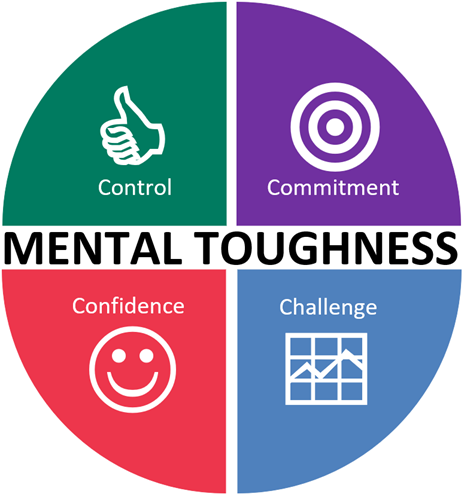
Απευθύνεται σε όλα τα Στελέχη και Υπαλλήλους μιας επιχείρησης
- Α’ Μέρος: 4 Ώρες ομαδική εκπαίδευση
- Β’ Μέρος: 2 ατομικές συναντήσεις συμβουλευτικής καθοδήγησης
- Γ’ Μέρος: 2 Ώρες Follow up ομαδική συνάντηση
Στόχοι Προγράμματος:
- Η κατανόηση της έννοιας Mental Toughness και της επίδρασης που έχει στην ατομική και ομαδική εργασιακή απόδοση, στη διαχείριση των προκλήσεων και του άγχους.
- Η εξοικείωση με τις πρακτικές τεχνικές καλλιέργειας Mental Toughness και η αξιοποίησή τους για τη βελτίωση της εργασιακής απόδοσης.
Εκπαιδευτικές ενότητες:
Σχεδιάζεται βάσει των αναγκών της επιχείρησης και περιλαμβάνει τα εξής βήματα:
- Πριν την εκπαίδευση: κάθε εκπαιδευόμενος/η συμπληρώνει το ερωτηματολόγιο αυτογνωσίας MTQPlus και λαμβάνει αναλυτική ατομική αναφορά.
- Κατά τη διάρκεια της εκπαίδευσης: παρουσιάζονται οι τεχνικές για την καλλιέργεια του ατομικού Mental Toughness.
- Μετά την εκπαίδευση: πραγματοποιείται ατομική συμβουλευτική καθοδήγηση και follow up ομαδική συνάντηση.
Ενδεικτικά αναλύονται:
- Το πλαίσιο των τεσσάρων βασικών συστατικών (4Cs) και των οκτώ παραγόντων (8 Factors) που συμβάλλουν στο Mental Toughness.
- Πρακτικές τεχνικές για την καλλιέργεια των τεσσάρων συστατικών (4Cs) και των οκτώ παραγόντων (8 Factors) του Mental Toughness. Πρακτικές ασκήσεις για:
- Θετικό τρόπο σκέψης (Positive Thinking)
- Οραματισμό (Visualization)
- Έλεγχο άγχους (Anxiety Control)
- Στοχοθέτηση (Goal Setting)
- Έλεγχο επικέντρωσης προσοχής (Attentional Control)
Εργαλεία μάθησης:
- Ερωτηματολόγιο Αυτογνωσίας MTQPlus
- Ασκήσεις
- Ατομικό Πλάνο Δράσης
Οφέλη συμμετοχής:
Μετά το πρόγραμμα θα είστε σε θέση να:
- αξιοποιείτε πρακτικές τεχνικές για την καλλιέργεια του ατομικού σας Mental Toughness, με σκοπό τη βελτίωση της εργασιακής σας απόδοσης και την επίτευξη της ευημερίας σας.
- κατανοήσετε τα συστατικά στοιχεία για την ενίσχυση του ατομικού σας Mental Toughness.

Mental Toughness Brochure
Υποκατηγορίες
Ενδιαφέρεστε;

Ολοκληρωμένος κατάλογος σεμιναρίων

Έχετε κάποια απορία;

Καλέστε μας στο
+30 210 9210734